Olalla Consulting
Beauty Trends 2026
5 Senses in cosmetics
The Power of Touch: How Texture Shapes Modern Beauty Trends

By Carmen M. Lerga BSc (Hon) MRSC, MSCS, MIFSCC, for Olalla Consulting
The Power of Touch Why Texture Is Becoming the Most Influential Sense in Modern Beauty
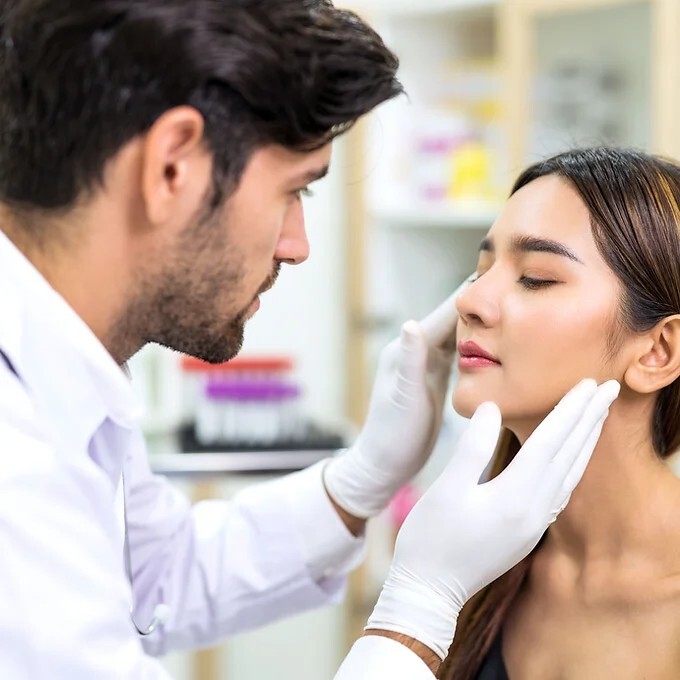
Touch is the first sense we develop and the last one we lose. It shapes how we connect with the world, how we interpret safety and comfort, and how we judge quality. In beauty and skincare, touch is far more than a sensory detail. It is a performance signal, an emotional anchor and one of the strongest predictors of consumer loyalty. When a product feels right on the skin, trust forms instantly. When it does not, even the most advanced active ingredients struggle to compensate.
Mintel’s Sensorial Synergy trend highlights this shift clearly. Consumers increasingly use beauty products as emotional regulation tools, and texture is becoming one of the most powerful ways to influence how a product is perceived. In fact, Mintel reports that 75 percent of consumers link texture directly to efficacy. This means the way a product feels is no longer a finishing touch. It is a core part of the formulation strategy.
As a formulator with over two decades of experience developing top selling skincare and beauty products, I have seen how texture can elevate a formula from functional to unforgettable. Touch is the sense that transforms a routine into a ritual, and it is shaping the future of product development.
Texture as a signal of performance
Consumers instinctively judge a product by how it feels. A velvety cream suggests nourishment. A gel cream signals hydration. A bouncy serum communicates vitality. A whipped mask evokes comfort and lightness. These associations are not accidental. They are deeply rooted in sensory memory and emotional expectation.
Texture communicates:
- perceived potency
- skin compatibility
- luxury or simplicity
- speed of absorption
- expected results.
When the texture aligns with the claim, the product feels trustworthy. When it does not, the experience feels inconsistent even if the formula is scientifically sound.
This is why rheology, emulsifier systems, polymer selection and oil phase composition must be engineered with intention. Texture is not a by-product of formulation. It is a strategic design choice.
The emotional impact of touch in beauty rituals
Touch is one of the most emotionally charged senses. It can calm, energise, comfort or ground. In a world where consumers are overwhelmed by digital noise and constant stimulation, the tactile experience of a product becomes a moment of pause.
A silky serum can feel like a breath of relief.
A cushiony moisturiser can feel like a protective cocoon.
A melting balm can feel like a moment of indulgence.
These emotional responses matter. They influence how consumers connect with a product and whether they return to it. Texture becomes a form of emotional technology, shaping how a product fits into a morning or evening ritual.
The science behind textures that feel alive.
Creating a texture that feels “alive” on the skin requires technical precision. Every component of the formulation contributes to the tactile experience.
Key factors include:
- Emulsifier choice which determines slip, glide and after feeling (represents up to 70% of the sensory feel at rub out)
- Polymer networks which create bounce, memory and structure
- Oil phase composition which influences richness and cushion (represents 80% of the after-feel)
- Humectant balance which affects tackiness and hydration feel
- Processing conditions which determine smoothness and stability
Even small adjustments can transform the sensory profile. A slight change in shear rate during emulsification can shift a cream from dense to airy. A different polymer blend can turn a serum from watery to elastic. These details are where formulation becomes craftsmanship.
The rise of transformative textures
Reactive and shape shifting formulas are becoming increasingly popular because they create a sense of magic and personalisation. These formats invite touch and encourage exploration.
Examples include:
- pH adaptive textures that shift colour as they interact with the skin.
- Bubble serums that activate on contact and create a tactile fizz.
- Biphasic products that must be shaken to activate
- Melting balms that transform from solid to oil to milk.
- Memory gels that bounce back after application
These innovations require advanced formulation engineering to ensure stability, compatibility and safety. When executed well, they elevate the entire sensory experience and deepen emotional engagement.
Texture and regulatory compliance.
As brands lean into sensory storytelling, regulatory clarity becomes essential. Claims related to texture must remain within cosmetic boundaries and avoid implying therapeutic effects.
Acceptable claims include:
- Creates a soft and comforting feel.
- Delivers a smooth and luxurious application.
- Supports a sensorially rich experience.
Unacceptable claims include:
- Improves mood through tactile stimulation.
- Reduces stress through touch.
- Delivers therapeutic sensory benefits.
Regulators expect evidence for sensory claims, which can include sensory panel testing, consumer perception studies or instrumental texture analysis. Transparency builds trust and protects brand integrity.
Why touch is becoming the most influential sense in beauty.
Touch is the sense that consumers trust the most. It is immediate, personal and deeply emotional. It shapes first impressions and long-term loyalty. In a crowded market, texture becomes a powerful differentiator because it creates:
- Stronger emotional connection
- Higher perceived value
- Deeper ritualisation
- More memorable experiences
- Greater brand loyalty
When a product feels exceptional, consumers remember it. When it feels ordinary, it disappears into the background.
Final thoughts
Touch is the foundation of sensorial beauty. Texture is no longer a secondary feature. It is a strategic tool that shapes emotional wellbeing, perceived efficacy and brand loyalty. As consumers seek products that feel as good as they perform, the role of the formulator becomes more important than ever. Crafting textures that resonate emotionally and deliver scientifically requires expertise, precision and creativity.
If you want to develop sensorially intelligent, emotionally resonant and regulatory compliant textures that stand out in the 2026 market, Olalla Consulting can support you with formulation, sensory engineering and regulatory strategy.
Discover how we can help at https://www.olallaconsulting.com or contact us at contact@olallaconsulting.com