Olalla Consulting
Beauty Trends 2026
Formulation Insights
The Human Touch Revolution: Transforming Fragrance in Beauty

By Carmen M. Lerga BSc (Hon) MRSC, MSCS, MIFSCC, for Olalla Consulting
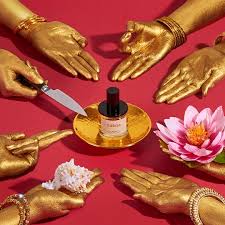
Fragrance is entering a new era where authenticity, emotional resonance and human creativity matter more than polished perfection. Consumers are increasingly fatigued by AI generated imagery, algorithmic sameness and overly engineered beauty experiences. Mintel describes this shift as the Human Touch Revolution, a movement where rawness, craftsmanship and sensory honesty become the new markers of luxury. Stylus reinforces this with insights into expressive play and multisensory escapism, where scent becomes a tool for emotional connection rather than a decorative afterthought.
As a formulator with more than two decades of experience developing top selling skincare and beauty products, I have seen how fragrance can transform a formula from functional to unforgettable. Smell is the sense most intricately linked to memory and emotion. It shapes how consumers interpret quality, trust and pleasure. In a world where beauty is becoming a tool for emotional wellbeing, fragrance is emerging as one of the most influential drivers of product success.
Smell as a marker of authenticity
Mintel highlights a growing consumer desire for authenticity and human creativity in beauty. People want fragrances that feel real, crafted and emotionally resonant. They are moving away from overly synthetic, overly polished scents and gravitating toward fragrances that tell a story.
This is why artisanal fragrance houses and small batch creators are gaining traction. Consumers value the imperfections, the maker’s mark and the emotional depth that come from human led creation. Mintel notes that 70 percent of UK consumers under 45 say AI makes them value human made products more, and this sentiment is especially strong in fragrance.
Stylus reinforces this shift with examples of expressive, emotionally charged scent design:
- DedCool Xtra Milk translated into a smoothie at Erewhon, blurring the line between taste and smell and celebrating gourmand comfort.
- Ellis Brooklyn Guava Granita which taps into tropical escapism and edible sensoriality.
- Snif Gentle Reminder which uses ube and Palo Santo to evoke a “hug at the end of the day,” demonstrating how scent can create emotional safety.
These show how fragrance is becoming a storytelling medium rooted in emotion, memory and human connection.
Functional fragrance and emotional wellbeing
The Sensorial Synergy trend highlights the rise of functional fragrance, where scent is used to support emotional experiences such as comfort, grounding or joy. This does not mean therapeutic claims. It means designing fragrances that align with emotional states and sensory rituals.
Strong examples of this movement:
- Moods Fragrance pairs clinically backed scents with emotional profiles and colour psychology.
- Vyrao blends scent, colour and crystals to create high vibration rituals rooted in neuroscience.
- Rituals Dream Collection uses soft florals and musk to support calming nighttime routines.
These brands demonstrate how fragrance can be positioned as a sensory tool for emotional wellbeing without crossing regulatory boundaries.
Volatile profiling and the science of fragrance perception
Understanding how a fragrance unfolds on the skin is essential for creating a memorable sensory experience. This is where volatile profiling becomes a critical part of formulation.
Fragrance is built in three layers:
- Top notes create the first impression.
- Middle notes form the heart.
- Base notes deliver depth and longevity.
Gas chromatography mass spectrometry (GC MS) allows formulators to analyse the volatility of each component and predict how the fragrance will behave in different systems. This is especially important in:
- Emulsions
- Surfactant systems
- Anhydrous balms
- Encapsulated formats
For example, a bright citrus top note may degrade in a high pH cleanser, while a delicate floral heart may be suppressed by a strong emulsifier system. GC-MS profiling helps ensure stability, compatibility and consistency.
Mintel’s data reinforces the importance of sensory feel and fragrance in consumer perception. Thirty seven percent of US consumers say appealing fragrance is the most important factor in bodycare, showing how smell directly influences purchase decisions.
Fragrance encapsulation for longevity, safety and storytelling
Encapsulation technologies are becoming increasingly popular because they enhance fragrance longevity and create interactive sensory moments. However, not all encapsulation systems are equal. Brands must consider:
- Biodegradability
- Microplastic restrictions
- Compatibility with surfactants and emulsifiers
- Release mechanisms
- Safety assessments
Encapsulation can also support storytelling. A fragrance that bursts during application or releases slowly throughout the day creates a memorable ritual. The are some interesting Shape shifting and reactive formats that enhance sensory engagement:
- Starch based encapsulated fragrances: used in anhydrous systems, where a matrix of starch is blended with a fragrance and spray dried.
- Gelatine based encapsulated fragrances: where a mixture of surfactant and gelatine is used to create micelles around a core if oil blended with a fragrance. System which is later spray dried or used as it slurry.
- Polymer based encapsulated fragrances: similar to the gelatine capsules but based on a polymeric structure of urea or other monomer.
Regulatory clarity is essential. Brands must avoid therapeutic claims such as “reduces stress” or “improves mood.” Acceptable claims focus on sensory pleasure, comfort and experience.
The Human Touch Revolution in fragrance creation
Mintel describes a growing rejection of algorithmic perfection in favour of raw, human led creativity. Consumers want fragrances that feel crafted, expressive and emotionally rich. They want to see the process, understand the inspiration and connect with the maker.
Stylus reinforces this with examples of expressive, artistic fragrance design:
- Poupon Pure Eau de Parfum recreates the scent of a newborn, blending science and emotional storytelling.
- Floris Purple Mémoire evokes English countryside calm through a carefully crafted violet profile.
- Maude and Sensual Sport use scent to explore intimacy and connection through warm, sensual notes.
These examples show how fragrance is becoming a medium for emotional expression and human storytelling.
Final thoughts
Smell is becoming the most emotionally powerful sense in beauty. Fragrance is no longer a decorative layer. It is a tool for connection, authenticity and sensory wellbeing. As consumers seek products that feel real, crafted and emotionally resonant, the Human Touch Revolution is reshaping how fragrances are formulated, positioned and experienced.
For brands, this is an opportunity to create fragrances that tell meaningful stories. For formulators, it is a chance to blend science with artistry. For consumers, it is a way to bring emotional depth into daily rituals.
If you want to develop sensorially rich, emotionally intelligent and regulatory compliant fragrances that align with the future of beauty, Olalla Consulting can support you with formulation, volatile profiling and regulatory strategy.
Discover how we can help at https://www.olallaconsulting.com