Olalla Consulting
Transparency in Cosmetic Claims
Transparency in Cosmetic Claims: Why It’s No Longer Optional
By Carmen M. Lerga BSc (Hon) MRSC, MSCS, MIFSCC, for Olalla Consulting
|
By Carmen M. Lerga, BSc(Hons), MRSC, MSCS, MIFCCS
Founder & Technical Lead, Olalla Consulting
The Trust Gap in Beauty
The beauty and personal care industry has always thrived on aspiration, glossy packaging, evocative language, and promises of transformation. But in 2025, aspiration alone is no longer enough. Consumers are demanding honesty, and they are quick to call out brands that fall short.
Recent studies reveal a sobering reality: 80% of consumers distrust cosmetic claims, and more than half of UK buyers say they would boycott a brand if they felt misled. Globally, 52% of consumers report seeing misleading sustainability claims. This is not a minor reputational risk, it is a structural shift in the market.
The message is clear: transparency is no longer optional. It is the currency of trust, and without it, brands risk losing both credibility and customers.
Why Misleading Claims Fail
For decades, terms like “natural,” “clean,” or “dermatologist-recommended” carried weight. They were shorthand for safety, efficacy, and ethical values. But without substantiation, these words have become empty promises.
Take “natural” as an example. Unless a brand can demonstrate compliance with ISO 16128 thresholds 95% natural content for a product claim, the term is vague at best, misleading at worst. Mixing synthetic ingredients with natural extracts and still calling a product “natural” erodes consumer trust.
Similarly, “clean beauty” has no legal definition. Without a clear explanation of what “clean” means, the claim risks being perceived as fear‑mongering or ambiguous. “Cruelty‑free” is another minefield: in the EU and UK, animal testing for cosmetics is already banned, so presenting legal compliance as a unique feature is misleading.
The lesson is simple: precision beats aspiration. Brands must define their terms, back them with evidence, and communicate them clearly.
Case Study: The Pitfalls of Greenwashing
The dangers of vague claims are not theoretical, they are playing out in real time. Consider the Bondi Sands “reef friendly” sunscreen lawsuit. The brand marketed its product as safe for coral reefs, but without substantiated evidence, regulators and consumers challenged the claim.
Another example comes from Denmark, where the Ombudsman scrutinized companies making “recycled plastic” claims. Without proof of actual recycled content and clarity on input versus output rates, such claims were deemed misleading.
These cases highlight a critical point: overstating or generalizing from narrow facts is a liability. Brands must be precise, transparent, and evidence‑based.
The Regulatory Bar Has Risen
The European Union has taken decisive steps to raise the bar for cosmetic claims. Regulation (EU) No 655/2013 sets out six common criteria that every claim must meet:
- Legal compliance – Claims must respect existing laws.
- Truthfulness – Claims must not exaggerate or mislead.
- Evidential support – Robust evidence must back every statement.
- Honesty – Claims must not imply benefits that don’t exist.
- Fairness – Claims must not denigrate competitors or exploit consumer fears.
- Informed decision‑making – Claims must provide consumers with clear, useful information.
This framework means generic, unsubstantiated claims like “green” or “eco‑friendly” are no longer acceptable. Brands must take a full life‑cycle perspective, considering sourcing, production, packaging, and disposal. Certification and labelling are increasingly required, and regulators are banning whole‑product claims if only part of the product qualifies.
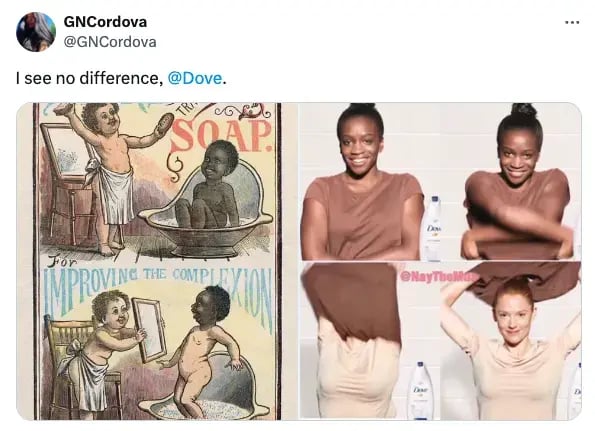
The bar has risen dramatically, and brands that fail to adapt risk regulatory action, reputational damage, and consumer backlash:
- Lancôme’s “Teint Miracle” campaign, when the industry faced criticism over excessive airbrushing
- Dove’s “Real Beauty” before-and-after ad, when an inclusive brand missed the mark
- Nivea’s “White is Purity” promotion, when brands failed to recognize cultural sensitivities
Building Transparency Into Your Brand
So, how can brands move from compliance to differentiation? At Olalla Consulting, we recommend a structured approach:
- Audit your claims – Identify vague, high‑risk, or outdated terminology.
- Define with precision – Use measurable standards such as ISO 16128 for natural content or RSPO certification for sustainable palm oil.
- Substantiate before launch – Independent testing and certifications are non‑negotiable. For example, a wrinkle‑reduction claim must be backed by randomized clinical trial data.
- Communicate progress – Be honest about challenges as well as achievements. Consumers value humility and transparency.
- Leverage digital tools – Smart labels, QR codes, and blockchain traceability can transform compliance into consumer engagement.
Transparency is not just about avoiding fines, it is about building loyalty. According to Siemens’s 2025 beauty industry trend report, 73% of consumers are willing to pay more for fully transparent brands, and 90% of Gen Z expect brands to actively combat climate change.
Digital Tools for Radical Transparency
Technology is reshaping how brands communicate transparency.
- Interactive platforms – Dedicated websites and mobile apps allow consumers to access detailed information about product ingredients, sourcing, and environmental impact.
- Traceability tools – Blockchain technology offers a secure and transparent way to track products from origin to consumer.
- Smart labels – QR codes and NFC chips provide real‑time information about a product’s journey and environmental footprint.
These tools not only meet regulatory requirements but also engage consumers in meaningful ways. They turn transparency into a brand experience.
From Compliance to Differentiation
At Olalla Consulting, we believe transparency is more than a regulatory box‑tick. It is a chance to set new standards in beauty and home care, where honesty becomes a competitive advantage.
Brands that embrace transparency don’t just survive—they thrive. They build trust, foster loyalty, and position themselves as leaders in a market where consumers reward authenticity.
Transparency transforms compliance into differentiation. It allows brands to tell compelling stories about their values, their sourcing, and their commitment to sustainability. It creates a deeper connection with consumers who are increasingly discerning and ethically driven.
Final Takeaway
- Audit.
- Define.
- Substantiate.
- Communicate.
These are the golden rules for cosmetic claims in 2025. Brands that follow them will not only meet regulatory requirements but also build lasting trust and loyalty.
If your brand is ready to move beyond compliance and into true differentiation, Olalla Consulting is here to guide you, bringing +20 years of regulatory expertise and a passion for ethical, luxury innovation.
📩 Contact us: contact@olallaconsulting.com
🌐 Visit: www.olallaconsulting.com