


Olalla Consulting
Trade, Women’s Rights, and the UK’s Global Deals: Why Equality Matters
By Carmen M. Lerga BSc (Hon) MRSC, MSCS, MIFSCC, for Olalla Consulting
|
When we think about trade agreements, the conversation often drifts toward tariffs, quotas, and market access. These are the technical levers that shape how goods and services move across borders. But trade is never just about economics. It is also about values, priorities, and the kind of society we want to build.
One of the most overlooked truths is that trade is not gender-neutral. The way agreements are negotiated and written can either open doors for women entrepreneurs or reinforce existing barriers. For women-led small businesses, like those we support at Olalla Consulting, the difference is not abstract. It can determine whether they gain access to new markets or remain excluded from global opportunities.
The UK’s Post-Brexit Trade Landscape
Since leaving the European Union, the UK has been negotiating its own trade agreements. This has created both challenges and opportunities. On one hand, the UK must now strike deals independently, often under time pressure. On the other, it has the freedom to embed its own priorities, including gender equality, into these agreements.
The UK government has stated that it wants trade to be a driver of inclusive growth, ensuring that women-led businesses and underrepresented groups can benefit. Yet the reality is uneven. Some agreements include explicit commitments to gender equality, while others remain silent, leaving women’s economic empowerment to chance.
Chile: A Global Pioneer
Chile is often cited as the first country to systematically embed “Trade and Gender” chapters into its free trade agreements. These chapters go beyond symbolic language. They commit signatories to:
- Promote women’s participation in trade.
- Share best practices on gender equality.
- Establish working groups to monitor progress.
This approach has earned Chile international recognition. In 2024, the country received the WTO International Prize for Gender Equality in Trade for its pioneering work. Chile’s example demonstrates that trade policy can be written to actively support women, not just passively assume equality.
For small businesses, this matters. When trade agreements include gender provisions, they create frameworks for training, funding, and networking opportunities that women entrepreneurs can access. Without them, women are left to navigate systemic barriers alone.
The UK–India Deal: A Milestone
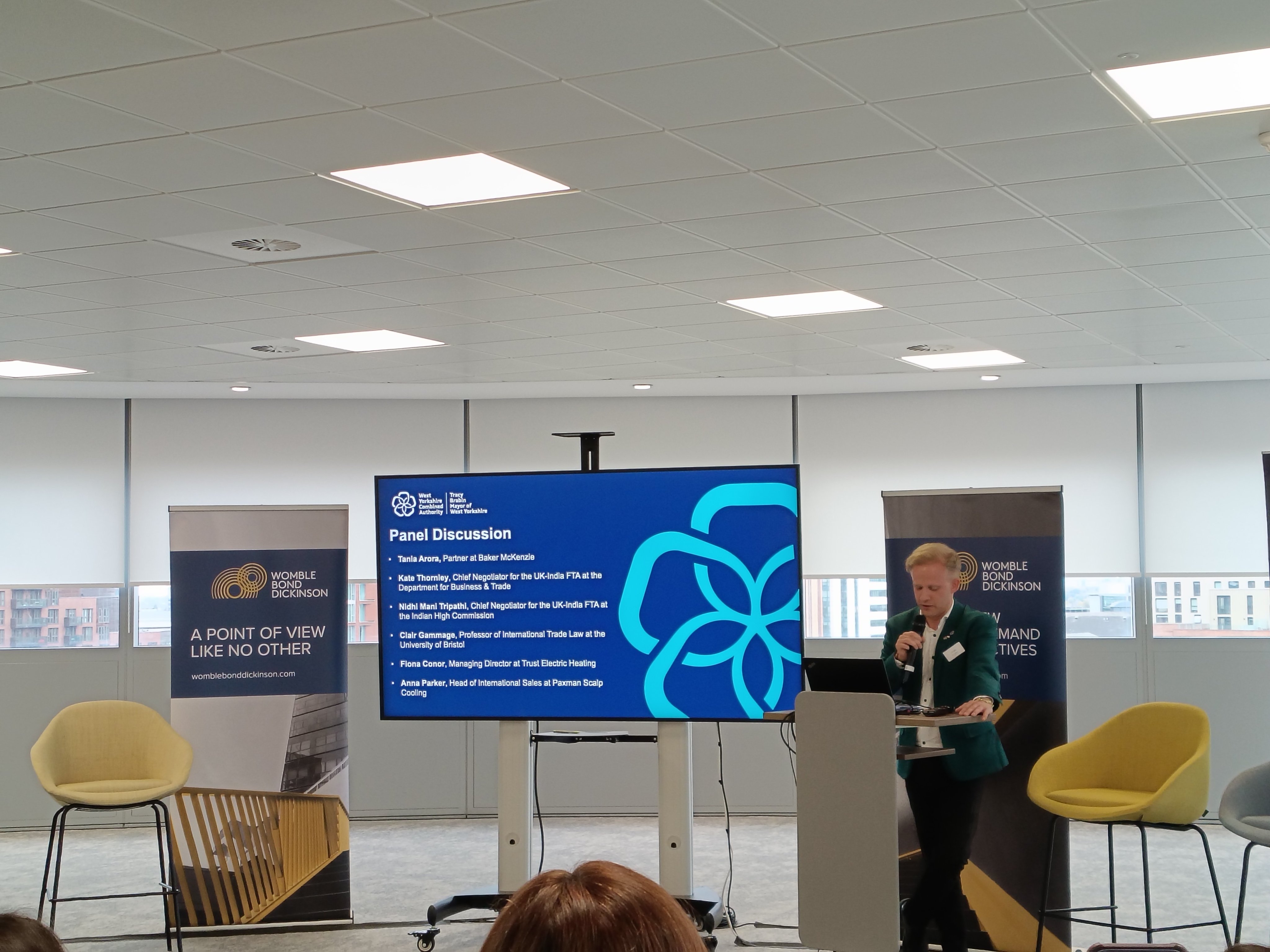
One of the most significant recent developments is the UK–India Comprehensive Economic and Trade Agreement (CETA). For the first time in India’s trade history, this deal includes a standalone chapter on gender equality. Thank you to a first on its kind female lead negotiation in both sides, Kate Thornley and Nidhi Mani Tripathi.
The chapter commits both countries to:
- Increase women’s access to trade opportunities.
- Support women from rural and marginalised communities.
- Establish a Trade and Gender Equality Working Group to monitor progress.
This is a milestone. India is one of the world’s largest economies, and the inclusion of gender equality provisions signals a shift in how trade is understood. It is no longer just about goods and services; it is about shaping inclusive societies.
What It Means for Women in the UK
For UK women entrepreneurs, the deal could mean:
- Collaboration with Indian counterparts in sectors like textiles, beauty, and sustainable goods.
- Access to new supply chains, particularly in industries where India has strong production capacity.
- Participation in gender-focused initiatives created under the agreement’s working group, which could provide training, funding, and networking opportunities.
For small businesses, this is not just about exporting products. It is about building partnerships, learning from peers, and embedding inclusion into the DNA of trade relationships.
What It Means for Women in India
The impact for women in India is equally significant, though in a different way. The UK–India deal reduces tariffs on key exports such as textiles, leather, and footwear, industries where women make up a large share of the workforce.
- Textiles & Garments: India’s textile sector employs millions of women, particularly in rural clusters. Duty-free access to the UK market makes Indian exports more competitive, potentially increasing production volumes and creating more stable jobs for women.
- Leather & Footwear: The leather industry, another female-intensive sector, is also expected to benefit from tariff reductions. Increased exports mean more opportunities for women in both skilled and semi-skilled roles.
- Multiplier effect: As women’s incomes rise, the benefits ripple into families and communities, improving education, healthcare, and local economies.
In other words, every percentage point reduction in tariffs could translate into thousands of new opportunities for women workers in India’s export-driven industries.
Where Gaps Remain
Not all UK trade deals go this far. Many agreements remain silent on gender equality, focusing narrowly on tariffs and quotas. According to the UK Women’s Budget Group, poorly designed trade policies can disproportionately harm women, particularly in sectors like public services where women are both workers and users.
For example:
- Agreements that limit governments’ ability to regulate services can undermine women’s access to healthcare or childcare.
- Deals that prioritise corporate interests over labour protections can worsen gender pay gaps.
- Lack of gender-specific monitoring means that even when women are affected, their experiences remain invisible in official reporting.
This patchwork approach creates inconsistency. Women entrepreneurs may benefit from one agreement but find themselves excluded in another.
Why Equality in Trade Matters
The case for embedding gender equality into trade agreements is not just moral; it is practical.
- Economic empowerment: Women-led businesses are still underrepresented in global trade. Equality clauses can help level the playing field.
- Social impact: Women are more likely to reinvest earnings into families and communities, multiplying the benefits of inclusive trade.
- Resilience: Diverse supply chains that include women-led businesses are more adaptable and innovative.
- Global leadership: By embedding gender equality into trade, the UK can position itself as a leader in values-driven commerce.
Lessons from Other Agreements
Beyond Chile and India, other countries are experimenting with gender provisions in trade. Canada, for example, has included gender chapters in several of its agreements, often in partnership with Chile. The EU has also begun to explore how trade can support gender equality, though progress is uneven.
The lesson is clear: where there is political will, there is a way. Trade agreements are flexible instruments. They can be written to reflect priorities beyond economics, including sustainability, labour rights, and gender equality.
Key Takeaways
- Trade isn’t gender-neutral, the design of trade agreements can either empower or disadvantage women entrepreneurs.
- Chile set the global benchmark by being the first to include “Trade & Gender” chapters in its trade agreements, earning the WTO Prize for Gender Equality in Trade (2024).
- The UK–India deal is a milestone: it includes a standalone gender equality chapter and reduces tariffs in industries where women are central to production.
- Dual impact: UK women entrepreneurs gain new opportunities, while Indian women workers in textiles and leather could see increased demand and employment.
- Inclusive trade is stronger trade, embedding equality into agreements creates fairer opportunities, drives sustainable growth, and multiplies social impact.
OC Perspective
At Olalla Consulting, we see trade as more than a flow of goods, it is a flow of opportunities. When trade deals include gender equality provisions, they create a framework where women entrepreneurs can thrive. When they don’t, women are left to navigate systemic barriers alone.
Our work with women-led small businesses shows that access to markets is only part of the story. Equally important are the structures that support participation: training, funding, compliance guidance, and networks. Trade agreements that acknowledge gender equality can help build these structures.
As the UK continues to negotiate new agreements, the question is clear: Will these deals reflect a commitment to equality, or will they reinforce the status quo?
For us, the answer is simple: inclusive trade is stronger trade.
Sources: UK Government on advancing gender equality in trade; UK–India CETA gender chapter; UK Women’s Budget Group briefing; Economic Times on India–UK FTA boosting textiles; ODI on women’s empowerment in the deal; UK Government impact assessment; Financial Express on leather/footwear gains.