Olalla Consulting
Transparency in Cosmetic Claims
The Digital Future: Tools and Trends in Radical Transparency
By Carmen M. Lerga BSc (Hon) MRSC, MSCS, MIFSCC, for Olalla Consulting
|
Cosmetic claims are under unprecedented scrutiny. Consumers are demanding honesty, regulators are raising the bar, and vague language is no longer tolerated. But transparency is not just about avoiding penalties, it's emerging as a pivotal business advantage. Brands that embrace transparency are setting themselves apart in a competitive landscape by fostering deeper consumer trust, establishing credibility, and strengthening loyalty.
The next frontier is digital. QR codes, blockchain traceability, and mobile apps are transforming how brands substantiate and communicate claims, making data instantly accessible and verifiable. These technologies empower consumers to verify information in real time, effectively bridging the gap between brand promises and consumer beliefs. As a result, compliance becomes not just a regulatory checkbox but a dynamic opportunity for engagement and authentic connection.
Why Digital Transparency Matters
Today’s consumers are increasingly savvy and values-driven:
- 73% of consumers are willing to pay more for fully transparent brands.
- 90% of Gen Z expect brands to actively combat climate change.
- 80% of consumers distrust cosmetic claims.
Traditional packaging and marketing channels are no longer sufficient to address these expectations. Digital solutions, with their capacity for precision and accessibility, equip brands to deliver the level of detail and openness consumers now demand.
The Digital Future: Tools and Trends in Radical Transparency
Technology is revolutionizing both the practice of claim substantiation and the way brands interact with consumers. Forward-thinking brands are no longer satisfied with mere compliance. Instead, they are leveraging digital transparency to set new industry standards and create meaningful differentiation.
Ingredient Traceability Platforms
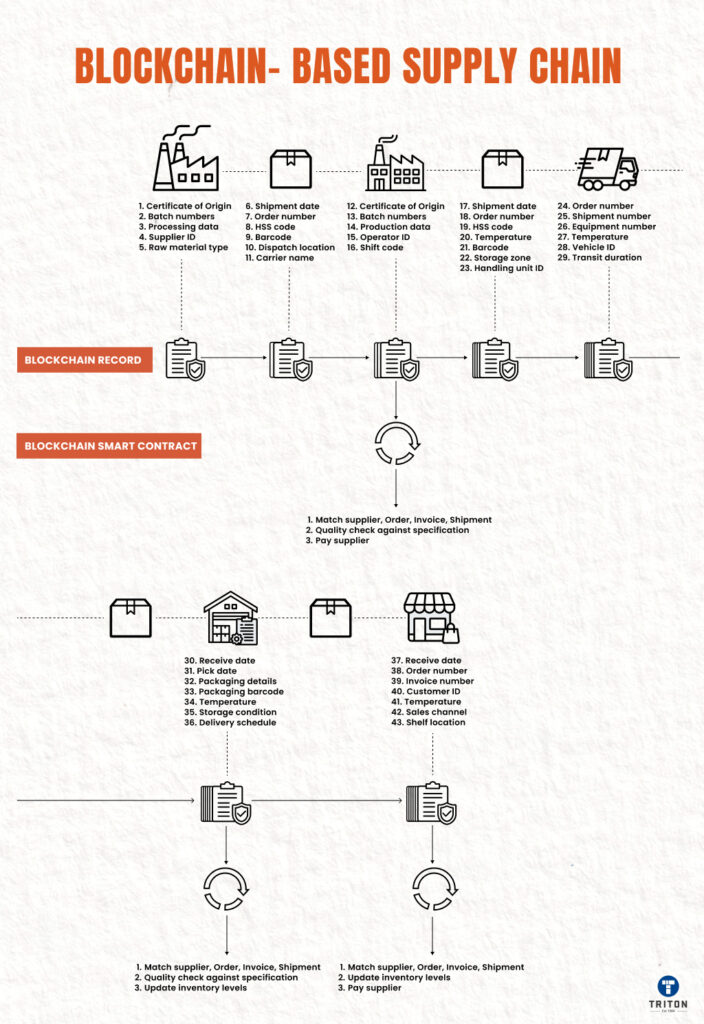
With blockchain-based supply chain management systems (such as L’Oréal/Aura, Provenance, or VeChain), brands can create unchangeable records detailing every step of the ingredient journey—covering origin, ethical certifications, manufacturing practices, and transportation. Consumers benefit from scanning a QR code to trace ingredients “from farm to face,” gaining peace of mind through verified, real-time data about sourcing, vegan/cruelty-free/organic status, and sustainability.
Digital Product Passports (DPP)
Digital Product Passports, integral to the upcoming Ecodesign for Sustainable Products Regulation (ESPR), will soon provide comprehensive digital documentation for every cosmetic product sold in the EU. Information will span environmental and social lifecycle impacts, recycled content, recyclability, care instructions, and end-of-life options. While cosmetics may not be included in the initial rollout starting 2026, the sector is expected to follow suit, driving a new level of transparency and consumer empowerment.
Third-Party Verification and Certification Schemes
Accredited schemes like Leaping Bunny, ECOCERT, COSMOS, and NATRUE aren’t just badges, they require rigorous annual re-audits and publish their findings, promoting ongoing trust and credibility. In addition, Life Cycle Assessment (LCA) tools and ESG assurance providers help brands standardize and audit their environmental reporting, enhancing claim substantiation.
Ingredient and Claim Scanning Apps
Modern mobile apps that decode INCI ingredients enable consumers to instantly check safety and sustainability claims with a simple scan. Enhanced with AI, QR code platforms provide interactive experiences, offering access to founder-led explanations, rich certification details, and transparent sourcing information on demand.
Packaging Transparency
Brands like The Ordinary and Herbivore Botanicals demonstrate openness through clear glass and minimalist designs, visually signifying a “nothing to hide” ethos. New analytics go even further, with complete product lifecycle data, integration of refill station networks, and environmental impact calculators, all accessible via packaging or web.
Radical Financial Transparency
Leading futuristic brands, such as Dieux Skin, Open Formula, and LILIXIR, are setting new transparency benchmarks by openly sharing detailed breakdowns of costs, ingredient sourcing, labor, and profit margins. For example, Dieux Skin publishes precise costs for ingredients, packaging, clinical testing, wages, and profit—alongside all clinical trial results, even those highlighting areas for improvement. This level of openness promotes not only consumer trust but also shared learning and industry progress.
How Digital Tools Strengthen Compliance
Digital transparency directly meets Regulation (EU) No 655/2013’s six criteria for cosmetic claims:
- Legal compliance: QR codes seamlessly connect consumers to regulatory certificates, ensuring easy verification.
- Truthfulness: Blockchain technology prevents data tampering, safeguarding the integrity of claims.
- Evidential support: Specialized apps provide third-party validation, reinforcing credibility.
- Honesty: Digital disclosures minimize exaggeration and uphold claim accuracy.
- Fairness: Accessible data mitigates the risk of misleading comparisons between products.
- Informed decision-making: Consumers receive comprehensive, up-to-date information instantly, enabling smarter choices.
Practical Steps for Brands
- Integrate QR Codes: Link directly to ingredient details, certifications, and testing reports. Keep information updated as formulas and certifications evolve.
- Adopt Blockchain Traceability: Monitor raw materials from their source through distribution, providing unalterable proof of ethical and sustainable sourcing.
- Prepare for Digital Product Passports: Start compiling comprehensive lifecycle data and align processes with ESPR requirements to stay ahead of regulatory timelines.
- Collaborate with Consumer Apps: Work with platforms that analyse and validate brand claims, ensuring transparency data is readily accessible and credible.
- Train Teams on Digital Transparency: Foster collaboration between marketing, compliance, and IT teams to maintain consistency and accuracy in claims across all channels, from packaging to web and apps.
The Business Case
Investing in digital transparency delivers far-reaching benefits. Transparent brands can command premium prices, earn retailer preference, and inspire consumer advocacy:
- Premium pricing: Brands that demonstrate transparency often enjoy higher margins as consumers value verifiable openness.
- Retailer preference: Retailers increasingly highlight and favour brands whose claims are substantiated and accessible.
- Consumer advocacy: Transparency encourages word-of-mouth referrals and builds repeat loyalty, turning satisfied customers into brand champions.
Conclusion
In today’s cosmetics landscape, compliance is non-negotiable, but true differentiation requires more. Innovations like QR codes, blockchain, digital product passports, and radical transparency practices are reshaping the industry. These tools empower consumers, strengthen claims, and transform compliance efforts into competitive advantages that drive growth.
At Olalla Consulting, we guide brands through the adoption of these cutting-edge tools, ensuring every claim is both compliant and digitally verifiable. In the new era of beauty, transparency isn’t just a requirement. It's an essential foundation for trust, enduring relationships, and lasting success.
📩 Contact us: contact@olallaconsulting.com
🌐 Visit: www.olallaconsulting.com