Olalla Consulting
Mastering Target Market Analysis in Cosmetics
By Carmen M. Lerga BSc (Hon) MRSC, MSCS, MIFSCC, for Olalla Consulting
|
Understanding your audience is the cornerstone of success in the cosmetics industry. With evolving consumer preferences and increasing demand for sustainable and ethical products, mastering cosmetic market analysis techniques is more important than ever. In this post, I will share insights and practical advice to help you navigate the complexities of the market, empowering you to create products that resonate deeply with your customers.
Why Cosmetic Market Analysis Techniques Matter
Before diving into specific methods, it’s essential to appreciate why cosmetic market analysis techniques are crucial. The cosmetics market is highly competitive and diverse, with consumers seeking products that align with their values, skin types, and lifestyles. By applying effective analysis techniques, you can:
- Identify unmet needs and emerging trends.
- Tailor your product development to specific consumer segments.
- Enhance marketing strategies to increase engagement and loyalty.
- Ensure your brand stands out ethically and sustainably.
For example, if you discover a growing demand for vegan skincare in your region, you can focus on formulating products that meet this need while communicating your commitment to sustainability. This approach not only attracts conscious consumers but also builds long-term trust.
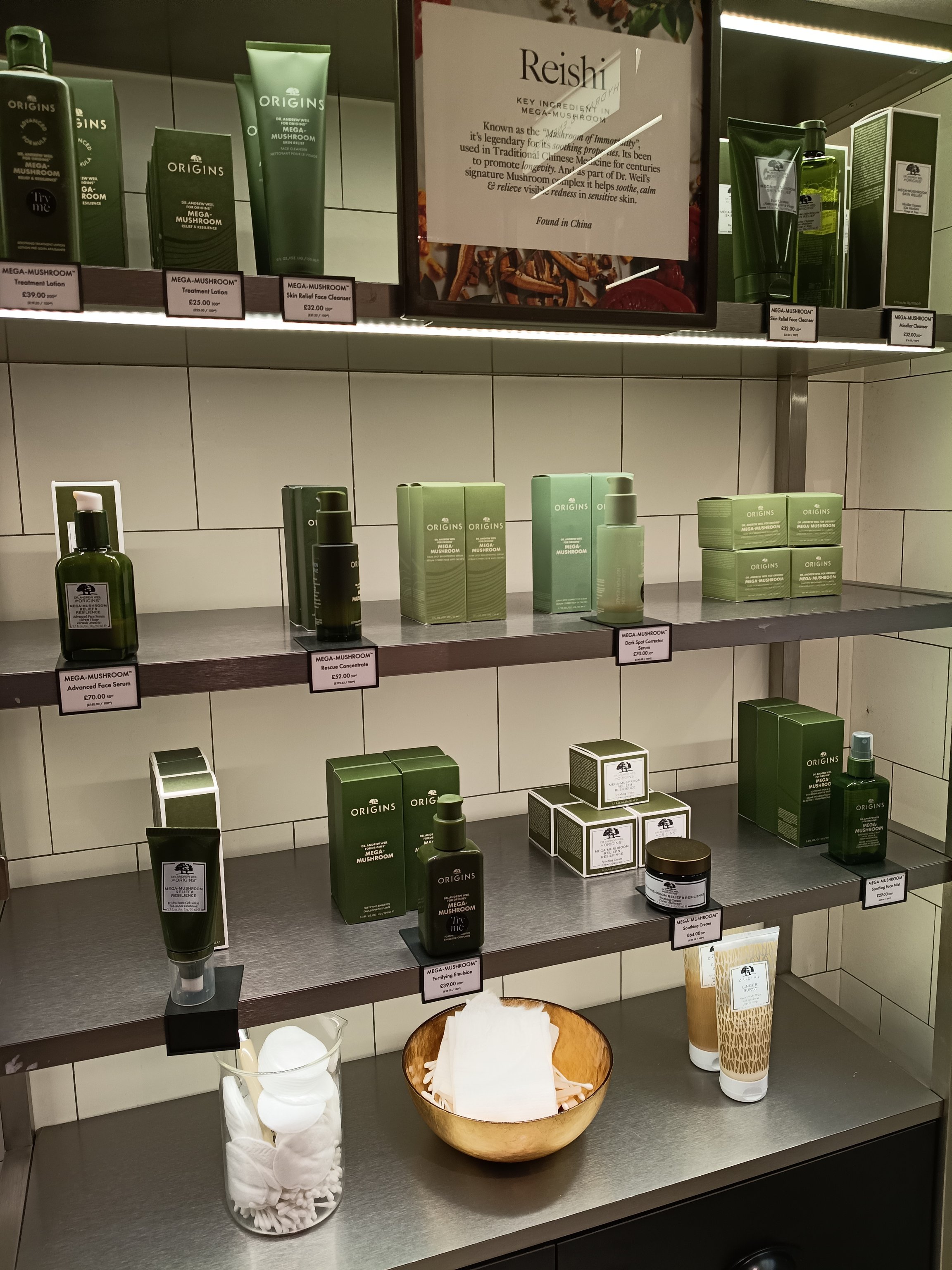
Eco-friendly skincare products on display
Exploring Cosmetic Market Analysis Techniques
Let’s explore some of the most effective cosmetic market analysis techniques that I have found invaluable in my work. These methods help you gather actionable data and insights to make informed decisions.
Consumer Surveys and Feedback
Direct feedback from your target audience is gold. Use surveys, focus groups, and online reviews to understand preferences, pain points, and expectations. Ask questions about:
- Product ingredients and formulations.
- Packaging preferences.
- Price sensitivity.
- Brand values like cruelty-free or organic certifications.
For instance, a survey might reveal that your customers prefer minimalist packaging that reduces waste, guiding your design choices.
Competitor Analysis
Studying your competitors helps you identify gaps and opportunities. Look at their product lines, marketing messages, pricing, and customer reviews. What are they doing well? Where are they falling short? This insight allows you to position your brand uniquely.
Trend Analysis
Stay ahead by monitoring industry trends through reports, social media, and influencer content. Trends like clean beauty, gender-neutral products, or tech-enabled skincare can inspire innovation.
Demographic and Psychographic Segmentation
Segment your market based on age, gender, income, lifestyle, and values. This segmentation helps you create targeted campaigns and products that speak directly to each group’s needs.
Sales Data and Analytics
Analyze your sales data to identify bestsellers, seasonal patterns, and customer buying behaviour. This quantitative data complements qualitative insights from surveys and trend analysis.
By combining these techniques, you create a comprehensive picture of your market, enabling strategic decisions that balance creativity with compliance and inclusivity.
Analyzing cosmetic market data on a laptop
What are the 5 C's of Target Marketing?
Understanding the 5 C's of target marketing is fundamental to refining your approach. These elements provide a framework to evaluate your market and craft effective strategies.
Company
Assess your brand’s strengths, weaknesses, and unique selling points. What values do you stand for? How do you differentiate yourself in terms of sustainability, ethics, or innovation?
Customers
Know your customers deeply. What motivates their purchases? What are their demographics and psychographics? This knowledge helps you tailor your messaging and product offerings.
Competitors
Identify who your competitors are and analyse their strategies. What market share do they hold? What gaps can you fill?
Collaborators
Consider your partners, suppliers, and distributors. How can collaboration enhance your product quality, sustainability, or reach?
Context
Understand the broader environment, including economic, social, technological, and regulatory factors. For example, new regulations on ingredient safety or packaging waste can impact your product development.
Applying the 5 C's ensures your marketing efforts are well-rounded and aligned with both internal capabilities and external realities.
Integrating Sustainability and Ethics in Market Analysis
In today’s cosmetics industry, sustainability and ethics are not optional - they are expected. Consumers increasingly demand transparency about ingredient sourcing, environmental impact, and social responsibility.
When conducting your target market analysis, integrate questions and data points related to:
- Consumer attitudes towards eco-friendly packaging.
- Preferences for cruelty-free and vegan products.
- Interest in brands supporting social causes.
This approach not only aligns your brand with consumer values but also fosters innovation. For example, exploring biodegradable packaging options or partnering with fair-trade ingredient suppliers can become unique selling points.
Remember, we believe compliance should never compromise creativity or inclusivity. Balancing regulatory requirements with ethical commitments and consumer desires is key to building a brand that lasts.
Practical Steps to Apply Your Market Insights
Gathering data is just the beginning. Here’s how to turn your insights into action:
Define Clear Buyer Personas
Create detailed profiles representing your ideal customers. Include demographics, values, challenges, and buying habits.
Develop Product Concepts Aligned with Personas
Use your personas to guide formulation, packaging, and messaging. For example, a persona focused on natural ingredients might inspire a botanical skincare line.
Test and Iterate
Launch pilot products or limited editions to gather real-world feedback. Use this data to refine your offerings.
Craft Targeted Marketing Campaigns
Tailor your communication channels and messages to each segment. Use social media, influencer partnerships, and content marketing to engage authentically.
Monitor and Adapt
Continuously track market trends, customer feedback, and sales data. Stay agile to respond to changes and new opportunities.
By following these steps, you empower your brand to grow sustainably and inclusively, meeting both business goals and consumer expectations.
Mastering cosmetic market analysis techniques is a journey of curiosity, collaboration, and commitment to values. By embracing these principles, you can create products that not only succeed commercially but also contribute positively to the world. Let’s continue exploring and innovating together, ensuring your brand shines in the vibrant and evolving cosmetics landscape.