
Edible Aesthetics
Branding Beauty as a Feast for the Senses
By Carmen M. Lerga BSc (Hon) MRSC, MSCS, MIFSCC, for Olalla Consulting
|
Over the past twenty years working across branding, development, regulatory, and formulation consultancies, I’ve seen beauty fads emerge, peak, and disappear. Few, however, have captured the collective imagination of consumers and marketers as powerfully as today’s Edible Aesthetics movement. Beauty is no longer solely about efficacy or prestige; it has evolved into a multisensory indulgence, a playful ritual, and, increasingly, a feast for the senses.
Beauty as Escapism: The Emotional Hook
Consumers, and Gen Z in particular, are navigating a landscape defined by constant digital stimulation, economic uncertainty, and heightened social pressures. Within this environment, beauty increasingly functions as a form of escapism. Products that evoke desserts, drinks, and nostalgic snacks provide comfort, familiarity, and joy. A whipped-cream-textured cleanser or jelly-like serum does more than hydrate; it offers emotional gratification, turning an everyday routine into a meaningful ritual.
This evolution reflects the Look Ahead 2025 trend “Reinvigorating Sensory Engagement,” which anticipated growing demand for dynamic experiences that engage sound, scent, taste, and touch. For marketers, this represents a significant strategic opportunity: to position beauty not only as functionally effective, but also as a source of emotional nourishment.
Foodie Sensorially: Branding Through Texture and Finish
From a branding perspective, the surge in food-inspired beauty is a masterclass in sensory storytelling. Whipped mousses, jelly-like gels, and glossy glazes are no longer confined to the culinary world, they’re now central to beauty branding.
- Whipped textures evoke indulgence and lightness, tapping into dessert associations.
- Jelly formats suggest playfulness and hydration, resonating with youthful audiences.
- Glossy, glazed finishes communicate luxury, sheen, and a wet-look aesthetic that feels both provocative and aspirational.
Brands like KraveBeauty (US) and Laneige (South Korea) have embraced these cues, while Australia’s HiSmile cleverly plays with food-inspired visuals in oral care. Meanwhile, the glossy aesthetic is reflected in Skit’s hydrogel patches, Huda Beauty’s lip oils, and even the slicked-back hair seen on men’s catwalks from Louis Vuitton and Dior. Each example demonstrates how indulgent textures can be leveraged as branding assets, creating instant recognition and emotional resonance.
TikTok and the Viral Power of #FoodTok
No discussion of Edible Aesthetics is complete without acknowledging TikTok’s #FoodTok. Food-inspired looks have become viral sensations, drawing audiences craving comfort and fun. For marketers, this is a reminder that social media is the new runway. A whipped cleanser or glazed lip oil isn’t just a product, it’s content. The more visually indulgent and shareable the texture, the greater its potential for virality.
The lesson here is clear: brands must design products with digital-first storytelling in mind. A jelly serum that squelches on camera or a glossy patch that catches the light can become a viral moment, amplifying brand reach far beyond traditional advertising.
Flavour Meets Fragrance: The Gourmand Revolution
One of the most fascinating aspects of Edible Aesthetics is the blurring line between flavour and fragrance. Gourmand scents, milk, matcha, creamy vanilla, chocolate, are gaining traction, offering comfort through olfactory familiarity. These notes resonate deeply with Gen Z, who crave cozy, nostalgic experiences.
The collaboration between DedCool and grocery chain Erewhon exemplifies this trend. Their bestselling “Xtra Milk” fragrance was translated into a smoothie, merging taste and scent in a playful twist. From a branding perspective, this is genius: it creates cross-category resonance, positioning fragrance as lifestyle, not just beauty. It also highlights the importance of partnerships, collaborations that blur boundaries between industries can spark fresh consumer engagement.
Visual Provocation: Hyper-Saturated Storytelling
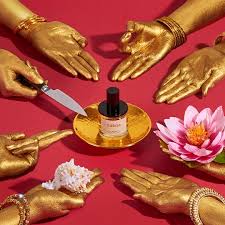
Edible Aesthetics extends beyond formulas into visual branding. British photographer Maisie Cousins captures the mood with surrealistic, hyper-saturated imagery that is glossy, sickly-sweet, and sometimes decaying. Her work reflects the duality of indulgence: beauty that is both irresistible and unsettling. For brands, this aesthetic provocation is a powerful tool to spark conversation, challenge norms, and stand out in a crowded market.
The takeaway for marketers is that visual storytelling must be bold. Hyper-saturated, surreal imagery resonates with audiences who crave stimulation and disruption. It’s not enough to look pretty, brands must provoke, intrigue, and invite dialogue.
Branding Opportunities and Challenges
As someone who has worked on top-selling products, I see Edible Aesthetics as a trend that demands strategic branding foresight.
- Positioning: Food-inspired beauty must be framed as indulgent yet credible. Overly gimmicky branding risks alienating consumers seeking authenticity.
- Cross-Category Resonance: Partnerships with food, beverage, and lifestyle brands can amplify reach and relevance.
- Regulatory Awareness: Products that blur edible and topical categories must be carefully positioned to avoid misleading claims.
- Sustainability: As indulgence rises, so does responsibility. Edible Aesthetics must align with eco-conscious values to maintain consumer trust.
- Digital-First Design: Products should be conceived with social media storytelling in mind, ensuring textures and finishes translate into shareable content.
Why Edible Aesthetics Matters for the Future of Beauty
Edible Aesthetics is more than a passing fad; it reflects a deeper cultural shift toward multisensory engagement. In a digital-first world, consumers crave tangible, tactile experiences. Beauty products that look, feel, and even smell like food provide comfort, nostalgia, and joy. They transform daily routines into rituals of indulgence.
For marketers, this trend underscores the importance of holistic branding. It’s not enough to deliver efficacy; brands must deliver experience. The future of beauty lies in products that nourish not only the skin but also the spirit, creating emotional connections that drive loyalty.
Conclusion: Beauty as Nourishment for the Senses
As beauty becomes a feast for the senses, the role of branding evolves. We are no longer just storytellers of efficacy; we are curators of experience. Edible Aesthetics challenges us to think beyond function, to design narratives that indulge, comfort, and delight. Whether it’s a whipped cleanser that feels like dessert, a lip oil that glazes like icing, or a fragrance that smells like milk and matcha, the future of beauty lies in multisensory storytelling.
For those of us who have spent decades in this industry, this is an exhilarating moment. Beauty has always been about transformation, but now it is also about immersion. And as long as we balance creativity with credibility, Edible Aesthetics will continue to redefine what it means to look and feel beautiful.
Thank you to Stylus.